Genitourinary Syndrome of Menopause: More Than Just Vaginal Dryness
Genitourinary Syndrome of Menopause, or GSM, can cause vaginal dryness, painful sex, urinary urgency, burning, and recurrent UTI after menopause. At Nashville Concierge Medicines, Dr William Conway and women’s health education Leigh Anne Hulva help patients understand symptoms and find practical treatment options, including local vaginal estrogen, moisturizers, lubricants, and pelvic floor therapy when appropriate.
By Leigh Anne Hulva, BSN, RN— Women’s Health Educator
Reviewed and edited by William Conway, MD, FACP, FASAM
Why Women Often Wait to Ask About GSM Symptoms
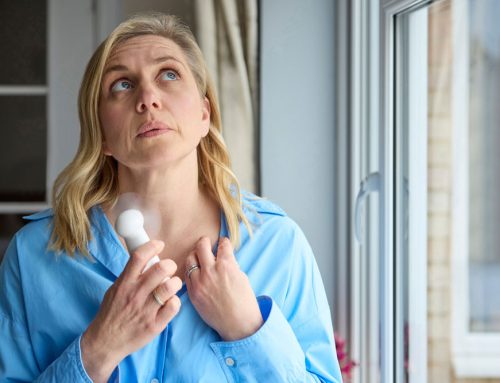
Margaret, at 56, is three years past her last menstrual period. She’s the type of no-nonsense woman who just tries to get on with life, not ruffle any feathers, not complain too much.
But lately, she’s had some discomfort that’s been hard to ignore. She tries to tell herself that it’s “just part of aging,” but it feels like more than that. Her vaginal dryness is so intense that sometimes she’s uncomfortable just sitting for too long, let alone being intimate with someone. She’s had three UTIs in just over a year, and each time she’s gone to her doctor, he just prescribes more antibiotics without any further discussion.
She’s starting to think she needs a different doctor.
Talking to her gynecologist at her next routine appointment made sense, but still, it took until the end of the appointment for Margaret to bring up her concerns. It felt embarrassing, overly personal to share even with her gynecologist.
Margaret tried to talk around it, but eventually just said that “things were uncomfortable… down there” and that they had been for a while. When her gynecologist asked how long a while was, Margaret replied that it had been two years, and it occurred to her how long that actually was. Why had she waited two years?
Her gynecologist responded with quiet empathy and information, which was just Margaret’s style. She explained what Genitourinary Syndrome of Menopause was, how common it was, and how exactly they could treat it.
What is Genitourinary Syndrome of Menopause?
Genitourinary Syndrome of Menopause, or GSM, is a collection of symptoms (due to declining estrogen of perimenopause) where the tissues of the vagina, vulva, and urinary tract become thinner, less elastic, and drier.
GSM affects fully half of all women going through perimenopause and menopause, making it surprisingly common for how underreported it is. Somehow, it can feel easier to talk about hot flashes than discomfort during sex, but both symptoms are equally real and equally treatable.
The difference between hot flashes and GSM is that while hot flashes will eventually resolve on their own (even without treatment), the symptoms of GSM are progressive. Over time, symptoms will worsen rather than go away. This makes it especially important to treat GSM as soon as you can, not because it’s dangerous not to, but because there’s just no reason to live in increasing discomfort when it can be effectively treated!
Why Estrogen Matters for Vaginal and Urinary Health
Estrogen is a powerhouse of a hormone, affecting most systems of the body. In terms of vaginal and urinary health, it keeps the tissues of the vagina and vulva healthy and resilient. It keeps everything lubricated and comfortable, not just during sex but also during everyday activity.
The bladder and urethra are equally reliant upon estrogen to keep them toned and resistant to irritation and infection. The decline of estrogen during perimenopause (and the steeper drop off after menopause) can result in recurrent bladder infections, which are more than a mere inconvenience. They can progress to kidney infections, and taking multiple rounds of antibiotics isn’t good for anyone.
Vaginal and Urinary Symptoms of GSM
Vaginal and Vulvar Symptoms
Vaginal and vulvar symptoms of GSM include dryness, itching, and burning. There can also be a sensation of friction or discomfort with certain clothing or when sitting for long periods of time.
Pain during intercourse is one of the most common symptoms. This is due to the thinning and drying of vaginal tissue and the loss of elasticity. It’s important to know that just because a symptom is common doesn’t mean it has to be tolerated. It is treatable and merits a conversation with your doctor.
Urinary Symptoms
The urinary symptoms of GSM can be overlooked in menopause and treated as something apart from it. But urinary symptoms can have a very clear connection to declining estrogen.
Urinary symptoms include increased frequency or urgency, discomfort or burning with urination, and an increased risk of urinary tract infections (UTIs).
Margaret’s three UTIs back-to-back weren’t just bad luck; they were GSM. The declining estrogen that had thinned her vaginal tissue had also affected her urethra, making it more sensitive to irritation and infection.
Symptoms That May Indicate GSM
These are some symptoms to keep an eye out for and to see your doctor about:
- Vaginal irritation (itching, burning, dryness, or a feeling of “friction”)
- Painful sex
- Spotting after sex
- Increased urinary frequency or urgency
- Recurrent UTIs
- Changes in vaginal discharge
Treatment Options for GSM: Vaginal Estrogen, Moisturizers, and Pelvic Floor Therapy
The best news about GSM is how effectively and, often, how quickly it can be treated. For Margaret, improvements were clear within a couple of weeks and just got better from there. It made her regret the time she had spent in discomfort but has also made her an advocate for getting treatment sooner rather than later.
Oral or Local (Vaginal) Estrogen
If you have been told that you can’t take estrogen— especially if that conversation happened years ago— it might be time to discuss this issue again with a doctor who is up to date on the current research.
But even if oral (systemic) estrogen isn’t something you choose, local estrogen applied directly to the vagina is a wonderful option. Local vaginal estrogen can be applied as a cream, suppository, tablet, or ring. It is very effective and is safe and appropriate for the vast majority of women, even those who aren’t candidates for systemic estrogen therapy.
Non-Hormonal Treatments
For women who cannot or choose not to use hormonal therapy, there are several other options. Vaginal moisturizers hydrate the tissue and help with daily dryness. Vaginal lubricants provide temporary relief during sex and tend to work best when vaginal moisturizers are also being used.
Pelvic floor physical therapy is a valid option for women who have developed muscle tension (or pain response) due to painful sex. This can be especially helpful once the underlying problem of tissue changes has been taken care of, but when pain during sex continues.
Lifestyle Strategies
Avoiding irritating products like douches and scented soaps is important. Regular sexual activity— including solo activity— can help maintain vaginal blood flow and preserve elasticity. Staying well-hydrated and wearing cotton underwear are small but helpful tips.
Breaking the Silence: Why Women Wait to Ask for Help, and Why They Shouldn’t
Margaret, like far too many women, waited years to ask for help. It turned out that the treatment was easy, inexpensive, and it began working quickly.
The weekend after she realized her topical estrogen cream was actually helping her feel better, she met up with her younger sister for coffee. When Margaret broached the subject of GSM with her, her sister almost shyly admitted that she, too, had been having discomfort ever since she entered perimenopause.
Her sister made an appointment with her gynecologist that same afternoon.
H2: Conclusion:
If your doctor isn’t asking the right questions, bring them up. There is no point in suffering in silence. And if your doctor doesn’t seem to have the right answers—including treatment options that work for you—find another provider. A good provider will take you seriously, offer you options, and work to find a treatment that works for you. Don’t settle for anything less!
H2: Frequently Asked Questions about Genitourinary Syndrome of Menopause
Can GSM cause recurrent urinary tract infections (UTIs)?
Yes. Oddly, this connection is often missed by doctors. Declining estrogen thins and weakens the urethra, making it more susceptible to irritation and infection. If you have had two or more UTIs in a year, bring this to your doctor’s attention. The treatment shouldn’t just be round after round of antibiotics. They need to treat the actual fire, not just the smoke. Local vaginal estrogen can provide real, long-term relief.
Is vaginal estrogen safe to use, even if I’ve been told not to take estrogen tablets or patches?
Local vaginal estrogen is considered safe for the vast majority of women. Even women who aren’t candidates for systemic (oral) estrogen are probably able to use vaginal estrogen. This is because local estrogen, applied directly to the vagina, isn’t absorbed systemically like estrogen tablets or patches. Furthermore, vaginal estrogen can safely be used long-term for most women.
What is the difference between a vaginal moisturizer and a lubricant?
A vaginal moisturizer is used regularly (usually several times per week) to maintain comfort and hydration of the vaginal tissue. A lubricant is used during sexual activity to reduce friction and discomfort. Both can be used in addition to local estrogen, which is the gold standard in the long-term care of GSM.
Author Bio
I’m Leigh Anne Hulva, BSN, RN- a registered nurse, women’s health educator, mother of teenage daughters, and passionate advocate for women navigating perimenopause and menopause. I recently completed the Harvard Medical School course on Women’s Health, and in these pages I relish sharing what I learned there alongside what I know from lived experience. I bring to this work not only my training, but also the personal experience of navigating the very transition I write about. It is my privilege to share both, because this work is personal to me. I hope it feels that way to you, too.
I have been on the other side of this conversation, and I understand how much it matters to feel truly heard. At Nashville Concierge Medicines, my work is supervised by Dr. William Conway, MD, and I work directly under his licensure as a nurse educator.